
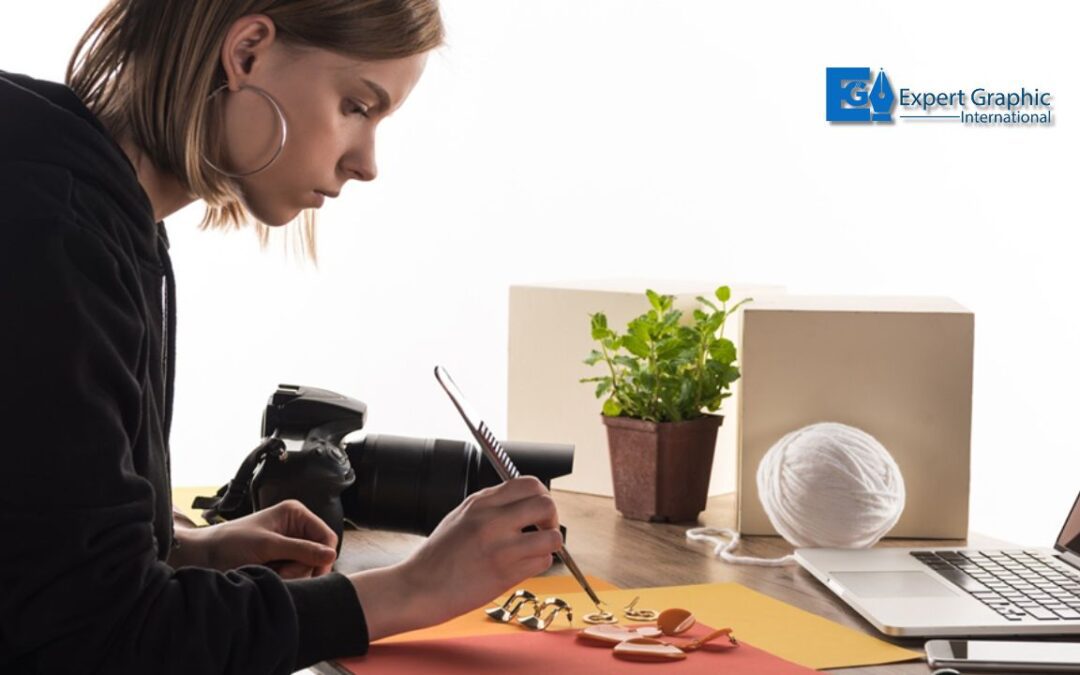
Whether you’re trying to get the ideal photo for social media, sell jewelry online, or build a portfolio, jewelry photography can be challenging, but doing it well can make all the difference. This guide will cover everything from planning the perfect photo session to maximizing the impact of your images.
The Value of Jewelry Photography
You need to take excellent jewelry photos to highlight the elegance and skill of your creations. High-quality photographs are what people see first, whether you’re selling your jewelry online, sharing it with prospective customers, or advertising it on social media. They’re what separates a successful sale from a lost chance. A beautiful photo may draw in clients, but they may become disinterested or unsure due to subpar photography.
Selecting the Proper Tools for Jewelry Photography
The Camera
The quality of your jewelry photos will be significantly influenced by the camera you use. Purchasing a DSLR or mirrorless camera can provide you greater control over settings like ISO, shutter speed, and aperture, even though you don’t need the priciest model. A high-resolution camera can help capture the fine details required for jewelry.
Jewelry Photography Lenses
Because it allows you to take close-ups of small details, a macro lens is perfect for jewelry photography. For jewelry photography, a lens with a focal length of 50 to 100 mm is typically the most appropriate. As a result, you get clear, sharp photos with a lot of depth of field.
Fixtures for Lighting
Lighting is crucial in jewelry photography. Investing in studio lighting, such as LED panels or softboxes, will guarantee steady, controlled Lighting all day long. Natural light is ideal for daytime photography. This lessens the highlights and shadows that might distract from the details of the jewelry.
Stabilization and Tripod
Having a tripod is crucial for taking crisp images, particularly when utilizing a slower shutter speed. If your camera is stabilized, even the smallest details of the jewelry will appear clear and sharp. With a tripod, you can try out various angles without being concerned about camera shake.
Creating the Scene: Getting Your Jewelry Ready for a Picture
Keep Your Jewelry Clean
Make sure your jewelry is immaculate before you start shooting. Your photographs will show fingerprints, dust, or smudges, particularly in close-ups. To make your jewelry shine, use jewelry cleaner and a soft microfiber cloth.
Selecting the Appropriate Background
The jewelry will stand out if a plain, neutral background is chosen. Backgrounds of white, black, or even gray complement the piece and don’t detract from it. Wood or marble are examples of textured materials that can be used to create contrast when photographing on a flat surface.
Display and Props
Props can improve your pictures, but don’t use them excessively. Delicate accessories like a reflective surface, a piece of cloth, or a basic jewelry box can add flair without detracting from the jewelry. Keep the display simple and clear to keep attention on the piece.
Lighting Tips for Photographing Jewelry
Lighting: Natural vs. Artificial
Natural light is gentle and appealing for jewelry, especially when it’s utilized to create highlights and shadows. But it can be erratic. Artificial Lighting offers more control. The softness of natural light can be consistently replicated with diffusers or softboxes.
Making Use of Light Tents and Softboxes
Light tents and softboxes are needed to diffuse light and remove harsh shadows. Smaller jewelry pieces benefit from light tents because they provide even, soft light from all directions, producing smooth, well-lit photographs.
Managing Highlights and Shadows
To bring out the piece’s actual beauty, jewelry photography demands precise control over highlights and shadows. While changing the angle of your light source can help reduce unwanted shadows, a reflector can help bounce light onto areas that are too dark.
Camera Preferences for Photographing Jewelry
Depth of Field and Aperture
To expand your depth of field, use a smaller aperture (higher f-stop). This keeps the jewelry’s primary focus. Conversely, a shallow depth of field can highlight the jewelry and produce a lovely blur in the background.
Speed of Shutter
You can use slower shutter speeds with a tripod and not have to worry about camera shake. For jewelry photography, a shutter speed of 1/125 or higher is the best option to guarantee sharp pictures.
ISO Configurations
Keep the ISO low to prevent noise in the picture. For most jewelry photography, a setting of 100 to 400 works well, mainly when a tripod and adequate Lighting are used.
How to Take Stunning Jewelry Pictures
Details and Close-ups
Details are crucial in jewelry photography. Close-ups that showcase the piece’s texture, design, and craftsmanship are crucial. Remember to capture images from various perspectives and focus on any minor details.
Perspective and Angles
To find the best one, try taking pictures of each piece of jewelry from various perspectives. While bracelets and necklaces might look better with a slight angle, rings can benefit from a top-down photo.
Negative Space
The Negative Area The subject is surrounded by negative space, which can be used to highlight the jewelry and produce a simple yet tasteful composition. Don’t put too many things in the frame.
Modifying Your Jewelry Images
Fundamental Editing Methods
It’s time to edit your photos after you’ve taken them. First, make simple adjustments like straightening, cropping, and exposure correction. This guarantees that the jewelry will be the main attraction in the photo.
Retouching and color correction
Use color correction software to correct photos that don’t adequately capture the jewelry’s color. Additionally, retouching is necessary to eliminate any flaws in the background or jewelry.
Last Information: Cropping and Sharpening
Crop the picture to improve composition or remove distractions, and sharpen it to bring out the details of the jewelry.
Typical Errors in Jewelry Photography to Avoid
- Overexposure: The details of the jewelry may become hazy if it is exposed to too much light.
- Inappropriate Lighting: Distracting highlights or shadows can be produced by uneven Lighting
- Cluttered Backgrounds: Poor equipment can affect the clarity and detail of images, and a busy background could detract from the jewelry.
With the correct tools, Lighting, and techniques, you can produce breathtaking photos that really highlight your jewelry. Jewelry photography takes practice to master, but these pointers will help you improve as a photographer and bring out the best aspects of your jewelry, whether you’re photographing delicate rings, eye-catching necklaces, or unusual earrings.
Commonly Asked Questions
• What kind of Lighting works is best for taking pictures of jewelry?
The best ways to prevent harsh shadows and reflections are with natural light or soft artificial Lighting, such as that found in light tents or softboxes.
• Does taking excellent jewelry photos require a professional camera?
Although a professional DSLR or mirrorless camera is the best option, a decent smartphone camera with manual settings can also be utilized.
• How can I improve the polish of my jewelry photos?
Make sure your jewelry is spotless, choose a neutral background, and try out various viewpoints.